Friday, May 15, 2015

5 ways to boost curb appeal


You’re ready to make the leap and start designing your dream home. The checks are signed, deposit is made, floor plan is chosen, but there’s just one thing standing in your way: your current abode. It needs some work, no doubt, but what are the most important things to update to get that instant curb appeal, setting it apart from other properties in your area?

Photo Cred: pinterest.com
Here are five of our favorite easy updates that won’t break the bank.

Tidy Up! Many families opt for using the garage door as the home’s main entrance, but delivery drivers, pizza guys, and solicitors still access your front door. You’d be surprised how quickly little pieces of paper, delivery post-its, phone books and flyers pile up. Take a day and make sure the porch is clean and tidy. This will give guests a clear, clean view of your home.

Scrub-a-dub! Grab a broom, rent a power washer, and stock up on Windex. Start by giving siding a good power wash, removing dirt and grime and animal/bug debris. The power washer is also helpful for removing weeds from driveway cracks, so keep it handy if need be. Once the house has dried off, use a push broom to remove debris from your front porch, patio, walkways and driveway. After you’re done, clear off those windows, as this will let more unfiltered, natural light into your home.

Paint. You don’t have the paint the whole house (unless you want to), but a new coat of paint on your front door will do wonders for the overall appearance. Opt for a similar color to what you have, or spice things up with a dark blue or brick red for extra pizazz.

Grab some mulch. It’s amazing how a coating of mulch can completely transform the outside of your home. Just add a 2” layer around all flowerbeds, mailboxes, and trees about two weeks before your first showing. Mulch also helps trap in moisture, so you’ll be doing what bushes and flowers you have planted a favor, giving them a much-needed boost. If you have a lot to cover, consider purchasing mulch in bulk as this will be cheaper in the long run.

Plant TLC. Overgrown yards are not attractive, we all know that, but trees and shrubs can really add to the overall appeal of your home if they’re cut properly. Make sure branches aren’t touching the home (as this can actually cause siding damage and a gateway for critters to enter your home), and bush height should never overshadow a window, hindering natural light indoors.

Building a walkway


Faber Homes recommends waiting a couple years after moving into your brand new home before building patios or walkways in order to accommodate for settling. Once that time has passed, stones and other poured materials have a better chance of staying where you put them. So you’re ready to get started? Here is an easy how-to guide on assembling your new stone path.

First, lay out your path using string and stakes, and begin by digging the soil deep enough for the base, leveling as you go. Measure the space you’ve created so you’re accurately able to order gravel, sand and other supplies. Once you’ve cleared the space, shovel gravel in and compact it using a plate tamper after raking the space smooth. If you don’t have a tamper, you can rent one for between $25 and $50 per day. 
Photo Cred: houzz.com

Next, take the sand you ordered and cover the gravel with a 1 to 2 inch layer. Use a rake to smooth the surface and finish this step by running a string between two stakes to show where the finished path space will be.

Now is the fun part. Grab your stones and fit them close together along the path with quarter-inch gaps between each piece. Once your stones are placed where you want them, use a rubber mallet to set each stone in the sand. Finish by using a level to ensure all stones are level with each other and the string.

Using sand or rock dust, fill the gaps between the stones and set it by spraying the whole walkway with water. If the stones are still elevated, add another layer of sand (and spray with water) until everything is level. You can opt to add a sealant to ensure sand doesn’t make its way off the path and into your yard or home. This will also help to prevent bricks, stones or pavers from spreading and moving around where you don’t want them.

Send us your final project pictures on Facebook and we’ll feature them on our page! Good luck!

Top 10 landscaping mistakes


It’s that time of year to get outside and landscape. You have an idea of what looks nice, but we all have that neighbor who went overboard. Don’t be that neighbor and take note of some of these landscaping mistakes. 

1.     Excessive lawn ornamentation. Need we say more? Stick to a theme and make sure those ornaments fit the rest of your landscaping design. If you must, sick to one statement, as opposed to ten (or more).

Photo Cred: privateandpublicspace.wordpress.com

2.     Planting in the wrong locations. Many people don’t heed the warnings and read the directions on the plant tags. They’re there for a reason! Make sure you’re planting new items in the right places. HGTV’s Plant Finder is a great tool to double check seasonality, light exposure and hydration needs.
3.     Short grass. It’s a myth that cutting grass shorter will yield less time out mowing throughout the season. It’s actually the opposite, and you can end up doing more harm to your lawn. Exposing too much earth can cause bare patches and dryness, and it also opens the door for insects to make homes.
4.     Incorrect potting. Large planters are all the rage, but it’s easy to incorrectly plant items when you feel like you have a lot of space. Make sure you’re not planting a plant in a pot that’s too large, as it can sink down causing it to get too much water (or the opposite – dry out too fast).
5.     Blotchy lawns. Caused by improper or non-existent fertilization, a spotty lawn can really be an eye sore. Visit a Home Depot, Lowes, or local garden center and ask for a professional’s help with fertilization. Let them know how much (and why type) of sun your lawn gets and what types of fertilizer will work best. Fertilizing should be done at least twice per year, never in the bright sun, and with a good long soaking.
6.     Not taking animals into account. New York is a beautiful place to live, there’s no doubt! But in living in such a lush, green area, we also have our fair share of critters that frequent our properties. From deer to birds to rabbits, each are in search of tasty treats that are easily accessible, so make sure you’re not planting items that they love, otherwise you’ll end up with chewed up green stalks and no color.
7.     Overgrowth. Again citing our trusty HGTV tool, Plant Finder, make sure the plants you choose are the right plants for the areas they’re being planted in. Keep in mind, some plants grow very quickly and can span large areas. While the color may be what you’re looking for, the size may really hinder the overall appearance of your home.
8.     Too. Many. Colors. Pick a color theme and stick to it. Coherence in your color palette will create harmony and beauty, while a cluster of colors will be just that – a cluster. 
9.     Not family-friendly. Some people get carried away with ornamentation themes in their yard for visual appeal, but forget about usability. After all, you’re paying taxes for the land your house is on so you ought to be able to use some of it, right? It’s best to start off with a list of what you want to be able to do in your yard and go from there, design-wise.
10. Sticker shock. It’s easier to start a project than it is to finish it. But sometimes, without proper project estimation, we can get carried away with the cost of finishing the job, leaving it partially or totally uncompleted. Get a budget and estimate together before you get started, so your project gets completed and looks nice sooner rather than later!

Tuesday, April 14, 2015

Growing berries in NY


Did you know it’s totally possible to grow delicious berries in your backyard in New York? Many gardeners stick to the veggie staples like pumpkins, carrots, and peppers, but our temperatures are absolutely conducive to growing berries. You’ll want to get started on your garden soon, so here are some tips on growing these yummy fruit.


 Photo Cred: livinghealthyway.com
Start with a healthy soil base. Deep, fertile soil containing high organic matter really helps to set the foundation for a healthy, prosperous garden. The garden site should also have excellent drainage year-round, and be prepared to address early spring frosts.

Weed control is a vital component to growing berries, especially strawberries. You’ll want to get a jump start on the season and plant your berry garden before mid-May, and start immediately with residual herbicides to address upcoming weed sprouts.

Otherwise, berries should be planted 12-18 inches apart on raised beds with around 40 inches between each row. Water daily to ensure adequate hydration, and with proper care, berries will yield about 6 to 7 pickings beginning about a month after the first bloom.

If you desire late-season pickings in the late fall, it’s important to take care of the garden area for cooler temperatures. Mow off leaves close to the ground so the deceased leaves can be replaced, improve access to sunlight, fertilize, place new soil over the plant crown to improve root growth, and apply a dose of herbicides to take care of weeds. Once it does start to get cool, it is recommended that you toss a layer of mulch to minimize frost damage. Just be sure to remove the mulch in the spring of the following year.

Will you spruce up your garden with some delicious berries this year? Let us know in the comments below!

Upcycling furniture


Stop! Don’t throw that old furniture away! We’re about to list off some great tips on how to rehab that old dresser and make it new and functional again – no need to go buy something new when you can recreate something totally unique and beautiful.


You’ve seen them on shows like American Pickers – old giant convenience store signs make for interesting headboards. Just make sure they get a good cleaning first.

Take a drab dresser and turn it into a stylish piece of art. Here are some tips on how to incorporate chevron stripes and add a pop of color to your bedroom. Not a fan of chevron? Here are some tips on how to paint flowers on your dresser using wood ice cream sticks.

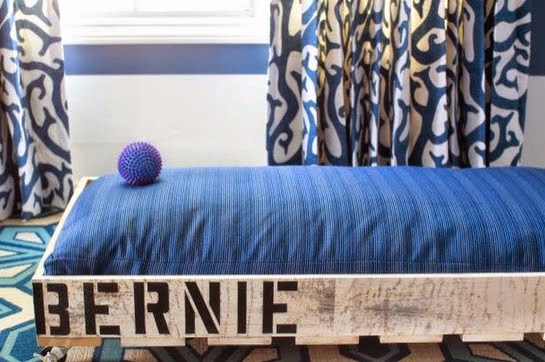
Turn old wood shipping palates into functional dog beds that won’t (completely) tear to shreds.

Photo Cred: HGTV
Find wrapping paper patterns that work for your space and decoupage them on your desk or dresser.

Vintage dressers might seem outdated, but have you ever thought about using one as a bathroom vanity?

Give those drawers a makeover. Paint that old dresser and grab some house numbers and use them as the handles.

Drawers too far beyond repair? Just tear them out and try a new side table design like this one.

Barn wood door turned into headboards can be exquisite. Here’s an example that isn’t too difficult.

Here’s one of our favorites. Grab that big old dresser, give it a paintjob and behold: everyone in the family now has somewhere to store their own shoes, hats and gloves in the mudroom.

Do you have some furniture rehab favorites? Share them in the comments below. Find these ideas and even more on our Pinterest board!

Low maintenance plants


Even if there’s still snow on the ground, it’s still technically spring, so we are getting in the gardening mood here at Faber Homes! Whether you’re a new family with us, current resident, or thinking about building a new Faber Home, landscaping is probably on your checklist. Curb appeal is not only nice for passerbys, but everyone wants an attractive home on the (inside and) outside. You certainly don’t want to be “that house” with the overgrown, weed-infested lawn.

Don’t have time for a full blown landscaping job this year? No worries. Here are some plants to start you out that are low maintenance and beautiful.  


Photo Cred: homecurbappeal.com

Trees
Velvet Cloak Smoke Tree. Best planted in full sun in the spring or early fall, this small tree has deep purple leaves and can grow to 10-15 feet tall and 15-20 feet wide.

Winter King Hawthorn. If you’re looking to add some shade to your yard, this small flowering tree is perfect. This deciduous tree can grow to a height of 15-20 feet and span a width of 18-20 feet, and its beautiful white cluster flowers bloom in May and then give way to red fruits in the late fall.

Shrubbery
Japanese Barberry. If you’re looking for a quick-growing shrub, the Barberry is perfect. Be sure to watch the plant’s growth, as it can take an area over very quickly (and trim those spent flower stalks as it grows to prevent seedlings). Best planted in the spring in full sun, this plant can grow to 3-4 feet tall by 3-4 feet wide, making it a very suitable solution for quick landscaping.

Elijah Blue. This evergreen ornamental grass has a blue-gray foliage and sprouts blue-green flowers if planted in the spring. Each gathering can grow 8-12 inches high and the same in width. These grasses are beautiful and can even be used to cover less than attractive yard requirements such as power boxes and other utilities.

Flowering Plants
Peony. Known for its large fragrant flowers, the peony should be planted in full sun to light afternoon shade. These plants can grow up to 30+ inches tall and can span 25-35 inches wide. They’re best planted in the spring, so grab some seeds soon!

Endless Summer Hydrangea. This flowering plan is as beautiful as it sounds. Endless Summer Hydrangea begins its season with lime green flowers which then change to pink during the summer. Each grouping will grow to 8-10 feet high and the same in width, so be sure you’re planting this beauty in an area that can accommodate such growth, as it will happen quickly.

The time to buy is now


It’s been a buyers market for the last several years, with interest rates at all-time lows, but all of that is about to change, according to many recent reports, including this one from Reuters.

In the article, Atlanta Federal Reserve President Dennis Lockhart states that the U.S. central bank intends to raise interest rates as early as June, barring a significant downturn in the U.S. economy.

Last Wednesday, the Fed moved a step closer to raising rates for the first time since 2006, but downgraded economic growth and inflation projections. The Fed is in no rush to push borrowing costs, however firmer timelines are now being put into place that set increases in motion in our very near future.

So what does this mean for potential buyers? Time is running out. There is much to speculate on when, following the month of June, interest rates will rise, and by how much, but now we know it is coming this summer.

That said, interest rates are currently hovering around 3.93% for a 30-year fixed mortgage, and 3.06% for 15-year fixed. Now is the time to buy, and if you’ve ever considered building a home, the market is in your favor for another two to three months!

Faber Homes maintains several neighborhoods on the West side of Rochester, so if you’re a current resident looking to move, or if you’re moving here from outside the area, contact one of our sales representatives today. We have model homes for every family, including cozy two bedroom ranch floor plans, and four bedroom spacious colonials perfect for growing families. We’ll work with you to ensure your home is built to the highest standards making no compromises to quality, and becomes the home you’ve always dreamed of.

Not sure which type of mortgage is best for you? Our skilled representatives can help set you up with a mortgage consultant from the beginning and walk you through the entire process. Buying a new home can be scary, but with Faber Homes behind you, the process will be seamless and we promise you’ll feel supported through every step of the process.