Showing posts with label new homes. Show all posts

Thursday, July 23, 2015

You Can’t Kill It: Flowers


We discussed perennials a couple weeks ago, but this week we’re focusing on annuals – for those of us who like to mix it up year after year.

Zinnia
You can find Zinnias in nearly any color (except blue), and in a variety of heights. They work well in pots, planters, or in the ground, and can be planted in direct sunlight.

Marigolds
They’re super tough to kill, and they’ll brighten up any garden, planter or pot all summer long – because they just keep blooming. Some varieties of marigolds will grow as tall as 5 feet, but most variations are more compact.

Begonias
These tough cookies are often found in hanging baskets or in garden beds. Begonias will grow in sun or shade, and with just a little water, they will continue to grow and bloom through summer.

Snapdragons
A childhood favorite for many, snapdragons will bring butterflies to your garden at little labor-cost to you. In healthy environments, Snapdragons will grow tall and lush, making them strong and able to stand up to harsh weather conditions in the spring and fall.

Photo Cred: enkivillage.com 

Cosmos
Don’t have the best soil in your garden? Never fear. Cosmos are here! Cosmos flowers grow from seeds and can tolerate drought once they are up and growing (so all you have to do is water them to that point).

So now you have a list of annuals, perennials, shrubs and trees that you cannot kill. Which ones will you plant this year?

You Can’t Kill It: Trees


You need them for shade and even perhaps privacy. They add a certain aesthetic to your home, and a little bit of personality… but you just haven’t been able to keep one alive long enough to enjoy these benefits. We’re talking about trees of course. So which ones can you plant that won’t require a ton of TLC? Here are a few to start with.

American Hornbeam
This low-maintenance tree thrives in the shade of other trees, so if your yard backs up to other trees or greenery, it’s a fabulous choice to lend some shade to your yard. The American Hornbeam has thin bark with a muscled appearance and maintains a beautiful look in the winter months. In the fall, leaf colors will turn to beautiful shads of yellow, red and orange. It will grow to about 20 feet tall by 40 feet wide.

Bur Oak
A classic tree in the Northeast, the Bur Oak requires little maintenance. Acorns grow from this tall tree (80 feet!) and can be as large as 2 inches long. Perfect for large yards, if growing out in the open where roots can spread, the Bur Oak can grow as wide as it is tall.

Hackberry
A relative of the elm tree, the Hackberry takes similar form. They don’t require much attention, and soon grow and spread, providing excellent shade in your yard. They do also yield berry-like fruit in the late summer months, which welcome birds of many kinds. This tree will grow between 40 and 60 feet high by 40 to 50 feet wide.

Snowdance Japanese Tree Lilac
Growing as tall as 18 feet and 20 feet wide, the Snowdance Japanese Lilac Tree boasts a massive canopy that grows wider than it does in height. You’ll notice a lovely fragrance in the early summer months, which then fades, while still providing shade through lush green leaves. 

Photo Cred: pixgood.com

Northern Catalpa
If you’re looking for a taller tree that blooms, the Northern Catalpa is the tree for you. It’s flowering blooms show in the early summer months, which then turn into cigar-like pods. It is because of these pods that the tree has inherited the name “cigar tree.” The tree grows well in urban settings, and can grow as tall as 60 feet (and 40 feet wide). Just don’t plant it near water features or pools in your yard, as the pods do shed a bit.

You Can’t Kill It: Perennials


We left off last week with a list of our favorite shrubs that even if you tried very hard, you’d have a difficult time killing. To compliment your favorite shrub choice, we’ve compiled a list of some beautiful perennials that you will have a hard time destroying.

Ostrich Fern
Named after its appearance, which highly resembles the feathery tail of an ostrich, the Ostrich Fern spreads aggressively, making it perfect for spaces in need of ground cover.

Hosta
Perfect in dry soil, the hosta is a classic perennial that will turn any garden from drab into fab. Every year you’ll be rewarded with a fuller, more lush plant that yields white flowers in the peak of summer. For a little dimension, we recommend selecting the “Gold Standard” Hosta variety, as it boasts light green leaves with darker green edges.

Perry’s Blue Siberian Iris
A stunning purple flower that lasts as long as four weeks is what you can expect from this perennial. Perfect in full sun or part shade, the Perry’s Blue Siberian Iris will grow and bloom in just about any soil type. Dry soil? You’ll just have a shorter stem. Often paired with the Shasta Daisy, this flower is very hard to kill.

Shasta Daisy
She’s a classic, this beauty. The Shasta Daisy lives well in nearly any condition in any garden or yard. They require minimal water and only need your attention when blooms die off. Clipping spent blooms will extend the life of the daisy for months.

Photo Cred: ufseeds.com

Lily of the Valley
It’s true. This beautiful perennial can live a long, prosperous life in your garden. Ideal in mostly-shaded areas, Lily of the Valley perennials will bloom and make for lovely flowers in a vase.

If you’re in need of some shade for Lily of the Valley, stay tuned for next week’s blog on trees that you cannot kill.  

You Can’t Kill It: Shrubs


Roses from your significant other. Potted plants from your mother. It doesn’t matter. You kill everything with your not-so-green-thumb. It’s OK, you’re not alone. That’s why this month, we’re featuring a series of blogs on plants you cannot kill (or at least you’ll have a hard time killing them).

Don’t be “that house” on the street. Grab your gardening gloves and toss-around shoes. This week we’re featuring our favorite shrubs that you cannot kill.

Japanese Flowering Quince
Otherwise known as the “Pink Lady,” this flowering shrub gives your landscaping a blast of color, even into late winter. If you’re in need of a hedge and love colors like pink, coral, bright orange or even white, this shrub is perfect for your space. The flowering quince works well in wildlife gardens, so if your property backs up to trees, the dense interiors will provide great shelter for birds.

Black Beauty Elderberry
If high-contrast is what you’re hoping to achieve with your landscaping, the Black Beauty Elderberry might be the shrub for you. Its beautiful dark leaves are complimented with pink blooms which appear mid summer, followed by berries. You won’t want to eat the berries, however if you love birds, you’ll notice they’re drawn to these berries.

Rose Satin
More popularly known as a hibiscus, the Rose Satin brings beautiful, bold color through huge blooms in colors such as white, red, lavender and pink. If birds aren’t your cup of tea, but you prefer the likes of butterflies and hummingbirds, you’ll find they are attracted to the Rose Satin.

Photo Cred: gardengatenursery.com

Bridal Wreath Spirea
This mid-spring blooming shrub forms a beautiful fountain of white flowers, which linger on for about a week. It’s an extremely low-maintenance shrub, but it just needs room to spread, so the branches can do what they do best: cascade (and take up a ton of room in your yard so you don’t have to worry about planting a huge variety of other plants).

Bridal Wreath Spirea is best combined with perennials, so if you like this shrub the most, stay tuned to our blog next week on perennials that you cannot kill.

Tuesday, April 14, 2015

Upcycling furniture


Stop! Don’t throw that old furniture away! We’re about to list off some great tips on how to rehab that old dresser and make it new and functional again – no need to go buy something new when you can recreate something totally unique and beautiful.


You’ve seen them on shows like American Pickers – old giant convenience store signs make for interesting headboards. Just make sure they get a good cleaning first.

Take a drab dresser and turn it into a stylish piece of art. Here are some tips on how to incorporate chevron stripes and add a pop of color to your bedroom. Not a fan of chevron? Here are some tips on how to paint flowers on your dresser using wood ice cream sticks.

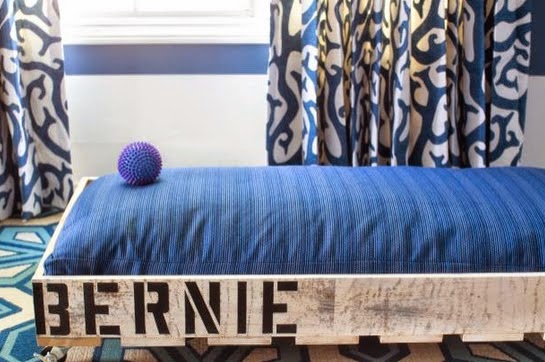
Turn old wood shipping palates into functional dog beds that won’t (completely) tear to shreds.

Photo Cred: HGTV
Find wrapping paper patterns that work for your space and decoupage them on your desk or dresser.

Vintage dressers might seem outdated, but have you ever thought about using one as a bathroom vanity?

Give those drawers a makeover. Paint that old dresser and grab some house numbers and use them as the handles.

Drawers too far beyond repair? Just tear them out and try a new side table design like this one.

Barn wood door turned into headboards can be exquisite. Here’s an example that isn’t too difficult.

Here’s one of our favorites. Grab that big old dresser, give it a paintjob and behold: everyone in the family now has somewhere to store their own shoes, hats and gloves in the mudroom.

Do you have some furniture rehab favorites? Share them in the comments below. Find these ideas and even more on our Pinterest board!

Monday, March 23, 2015

Top 10 things to do when you move in


No one said moving to a new home was a fun process. What with packing boxes, unpacking boxes, living out of boxes… you get the idea. Not only are you busy settling in, there is what seems like a laundry list of tasks that need done as well. What needs done immediately and what can wait? Here’s a list of the top ten things to do when you move in to a new home.

1. Get your address changed. Or, if you don’t have the time after you move in, stop by your old post office a few days before you move and ask them for the paperwork to get things moving. Don’t forget to contact banks, the BMV, any mailed subscriptions you have to change your address.

2. Contact your local utility companies. We’ll give you a list of phone numbers to call, but in case you misplace it, here’s the nitty gritty: electric, gas, cable, telephone, internet, garbage, water, and sewer.

3. Find your main circuit breaker. Make sure you understand the labeling, and if you don’t, contact your sales representative at Faber and he or she will help explain it.

4. Identify a good place for your emergency kit. It might be the last thing on your mind, but as you move in and hang photos and other things, there are countless opportunities for a minor first aid situation.

5. Identify emergency exits. This seems like a simple one, since you designed your home, but it’s always crucial to understand how you will evacuate should something happen.

6. Check smoke detectors. We will set you up with new batteries, but always be sure to have replacement batteries handy and know how to replace them.

7. Know where your water valve shut-offs are. This will come in particularly handy if you are having a new appliance installed, such as a fridge or washer.

8. From the curb, check your street number. Make sure it’s place visibly on your home so friends, family, and delivery services are able to find you.

9. Update your car registration, voter registration and car registration. Most counties will automatically update your voter registration when you move into a new home, but it’s always good to double check.

10. Make sure people know where to find you! Send out a postcard or email to friends, family and coworkers to let them know where you’ve moved.

Monday, January 19, 2015

New Tools for 2015

Cutting through the clutter at Home Depot and Lowes can be a tough task. There are so many tools and gadgets that make the job “easier” but it’s hard to know for sure what you’re getting.

2014 was a great year for product development so we’ve pulled together a list of tools and gadgets we think will help make your life easier, at a reasonable price.

Dewalt Inspection Camera. This lifesaver runs around $300 and is perfect for wiring jobs and plumbing work, as the scope gives you a visual into your wall or tubes.

PermaFlow No Mess Plunger. For about $20, put an end to squirting who-knows-what when your toilet backs up. This accordion-like sanitary bag fits around your toilet seat and creates a suction when you lift the lid, pulling whatever is stuck, out, without spraying you with… well you get it.

Lenox Hole Saw. Starting at $7, now you can efficiently cut wood and metal holes for all those projects at home. It also has a handy material release that will keep you from digging out remnants and possibly injuring yourself.


Craftsman Right-Angle Impact Driver. It’s tough getting into those tight corners. For about $80, this lightweight driver will drill holes or affix screws into tight spots, and with a mini lamp on the end, you won’t miss your mark. The battery charger is super fast, too. Within three minutes, you’ll have a 25% charge. Fully charged, you can affix 300 screws.


Grip Rite Framing Nailer. At $240, this framing nail gun is a brand new lightweight yet durable tool that will help your DIY family achieve expert precision for your next job.

Have you found any other tools you’d recommend? List them in the comments!

Wednesday, December 17, 2014

Winter Design Trends


Is there a room in your house that’s screaming for a makeover? This winter, there are a few surprising colors that are trending – so perhaps consider trying one of these color schemes for your next redesign.

Tangerine. Yep – tangerine! Try starting with an accent wall if you’re afraid it’s a little too bold. The happy, rich shade will certainly brighten the room and pair well with dark hues like blue-greens or indigo. Toss some other orange accents around the room (vases, wall mounted frames, chairs, etc.) and you’ll find yourself gravitating to the room due to its cheerfulness! 
Photo Cred: housetohome.co.uk

Mustard Yellow. Known for its positive emotional and psychological responses, yellow is a perfect smile-inducing color to add to any room. Pair yellows with blacks, greys, and whites for a classic look, or with jewel tones like burgundy or teal for a more modern, fun look.

Burgundy. In sharp contrast to mustard yellow and tangerine, burgundy and cranberry are some of winter’s hottest colors. Mixing cranberry metallic gold and silver pairs shine with a deep, warm color, or you could pair it with mochas or golden browns for a more rustic look. Bust out the old burgundy leather chair and toss up a neutral wallpaper accent wall and you’ll be in business.

Gold. Gold isn’t just for accents anymore! Using gold as the base color for your next room, it will become your new neutral. It’s fun, classic, and pairs well with nearly any accent color scheme. Try grays and blues for a cleaner more masculine look, for opt for red and be a little more dramatic.

Grape. HGTV selected grape as December’s color of the month a few years back, and it’s making its rounds again this winter. Use it in smaller doses alongside various shades of gray, or pair it with light blues and metallic for a classic-chic winter look.

Which palette will you try in your next design?

Tuesday, October 21, 2014

Quick Halloween Decorations


Is your front porch lacking in the Halloween department? It’s easy to lose track of time to decorate for the holiday, but you don’t want your house looking unattractive to trick-or-treaters, right? After all, the more trick-or-treaters you have, the less candy you’ll be left with (oh, darn) when the night is over—so recruit the kids and try some of these fun Halloween decorating ideas from HGTV.

Cat Pumpkins
This one is super easy. Grab some medium sized pumpkins, black paint, a white Sharpie, craft foam and a hot glue gun. Paint the pumpkins black, cut out black ears, pink nose and white whiskers out of foam, and glue them on. Spooky.

Cookie Cutter Pumpkin Carving
It’s as easy as it sounds. Dump the tarp, various blades, and impossibly difficult stencils. After you gut the pumpkin, grab your favorite cookie cutters like ghosts, cats, stars and moons, and use a rubber mallet to make your way through the pumpkin. Done!

Pumpkin Totem
Head to the store and grab the following: 3 faux pumpkins of the same(ish) size, black craft ribbon, black and white acrylic paint, a paint brush, and a glue gun. Take your first pumpkin and set it on the ground. Take the middle pumpkin and cut a hole in the bottom and place it over the first pumpkin’s stem (we’re stacking here – following?). Do the same for the third and glue the pumpkins together. Next, grab that ribbon and paint and create fun faces.

Trash Bag Spider Webs
Chances are, no shopping is needed for this easy decoration if you have black plastic bags, scissors, and Scotch Tape on hand. Making these involves quite a bit of folding a cutting, so here is the full set of directions.

Do you have any other fun and easy ideas to share?

Fall Home Checklist


As much as we hate to admit it, the warm days have gone and fall is upon us. While the temperatures are still tolerable, now is the best time to prep your house for cooler days (rain, sleet, and – yes – snow). We know how quickly the weather can change, so get out there and use this maintenance checklist

Exterior List

Number one on the list should be a roof check. Grab some binoculars if you can’t see well enough from the ground and a trip up is out of the question.  While you’re out there, do a perimeter check of all siding. Look for cracks and holes and repair the damages you see (or hire a contractor to help you out).

If you have a chimney or fireplace, have them inspected and cleaned. The same goes for your gutters. Fallen leaves from trees can build up and cause major backups when the rain and snow (there’s that S word again!) comes.

They’re a pain to wind up and store, but you should really stow away your sprinklers and hoses. Make sure they’re not full of water first, and toss them in the garage until next year.

It’s important to take a look at your landscaping, too. Loose branches on trees can cause serious damage if they fall around (or on) your home, and piles of leaves can cause outside mold very quickly.

Interior List

Check for drafts around your home on the edges of windows and around doors. Can’t tell if there’s a draft? Grab a candle and run the flame around the window or door and if it flickers, there’s a good chance you need to replace a seal or repair caulking.

Hire an HVAC contractor to test your furnace for leaks and check heading efficiency. The last thing you need is for your furnace to need a tune-up when it gets really cold. It’s a good idea to run a CO2 check at the same time.

Invest in a programmable thermostat if you do not have one already. When you’re not home, set the temperature lower so you can save money on energy bills.

Stock up on batteries and replace all batteries in smoke detectors and CO2 devices and make sure they work properly.

Sunday, September 21, 2014

Countertop Materials

Choosing the right countertop material for your kitchen or bathroom is an important decision. After all, it’s where you clean up and prepare food, and also has an effect on your home’s value.


Photo Cred: interiordesignable.com
 
Granite. Granite countertops are among the most elegant materials available. They’re also among the most expensive. But if you are up for it, the natural stone has outstanding strength and other beautiful qualities. Granite is highly resistant to scratches and heat, making it an asset to cooking. One downside to granite is that it must be sealed because it is a porous stone and absorbs fluid. If not sealed, it can harbor bacteria. This only needs to be done every 10 to 15 years, however. Granite can run between $100 and $225 per square foot.

Quartz. Known as “engineered stone,” quartz countertops are made from about 90-93% quartz crystals, but are fabricated instead of cut from solid stone. Quartz countertops maintain all of the advantages of natural stone, such as durability, hardness, and beauty, in addition to overcoming stone’s natural weakness. They are not porous so they will not harbor bacteria, and come in a wider range of colors compared to granite. Less per square foot next to granite, quartz will run about $100 to $190 per square foot.

Laminate. Laminate countertops are among the most popular surfaces because of their affordability ($20 to $50 per square foot) and widest range of colors and patterns. Comprised of hard particleboard core and layers of plastic laminate bonded over top, laminate surfaces are tough and fairly durable.

Butcher Block. Rising in popularity in recent years are butcher block counter tops . They are excellent surfaces for food preparation and are often used in conjunction with other surfaces like granite and quarts. Many choose to surface an island with butcher block, while countertops under cabinets remain another material. Because of the wide variety of woods available, prices range anywhere from $30 to $200 per square foot.

It’s important to consider how much maintenance you’re willing to accommodate when selecting a countertop. Families with young children often opt for less expensive surfaces, while avid foodies require more elaborate options.

Media Room Must Haves

It’s the room in your house for relaxing, dishing up some popcorn and watching movies. Some may call it a man cave, others: a family room. No matter what you call it, every home needs a comfy media room. So get ready to design… here are some tips to make your perfect media room.

 Photo Cred: homeit.com

For basement entertaining, consider light-colored flooring like laminate wood or vinyl. This will help brighten up the space void of natural light, and make the room look larger. For a more masculine look, paint the walls a dark blue, grey, green or even red.

A variety of seating options will allow you to move things around and constantly update your space. Couches for lounging, bean bag chairs for tossing around, and even high-top tables for cocktail parties or watching the football game.

Lighting is another important feature to consider. If you have low-hanging ceilings, consider building fluorescent lights into the paneling, or even track lighting for a more modern look. For taller ceilings, tray lighting can add a special ambiance.

If you’re going for a movie theatre-inspired room, opt for dark furniture, blackout lights, and red window treatments. While a 60-inch television is everyone’s wish, high definition projectors (onto a white wall) can be a better alternative. Toss a starry-night sky mural on the ceiling, a popcorn machine in the corner, and movie posters on the walls and you’re in business.

Don’t forget the kids. Without a designated play area in your home, toys and games tend to pile up everywhere, so square off a section for the kids and keep everything away and tidy so you can enjoy your media room space.